

Care of the shrub Aloysia citriodora or Lemon verbena |
|
The Aloysia genus, Verbenaceae family, comprises 30 species of aromatic shrubs native to subtropical regions of the American continent. Some species are: Aloysia citriodora, Aloysia virgata, Aloysia polystachya, Aloysia gratissima. Common names: Lemon verbena, Lemon beebrush. This species is native to South America. It is a deciduous shrub that reaches 2 meters (6.56 feet) in height. The aromatic leaves smell of lemon, have a lanceolate shape and are light green in color. It produces small, fragrant flowers (white, pink, or purplish) in branched bouquets. It blooms in summer and early fall. Lemon verbena is used as isolated specimens or in small groups in the garden and in flowerpots for terraces, patios and balconies. Due to its medicinal digestive properties, its leaves are used to prepare infusions to regulate menstrual flow and antioxidants and, once dry, as a condiment for sauces. Aloysia citriodora needs exposure to full sun or semi-shade and high temperatures; temperatures below 3 ºC (37.4 ºF) are not suitable. The best soil is a well drained normal garden substrate with coarse sand. Planting in its final place or pot transplant is done in spring. Irrigation should be abundant so that the soil is always somewhat moist but never puddled. In winter we will wait for the surface of the earth to dry before watering again. Fertilize with manure or organic fertilizer before planting and every fall. Lemon beebrush does not need pruning but can be trimmed to control their growth. Aloysia citriodora is quite resistant to pests and diseases but it fears drought because it loses its leaves (in summer) if it does not have the necessary humidity. Lemon verbena propagates by cuttings in summer. |
Images of the shrub Aloysia citriodora or Lemon verbena |
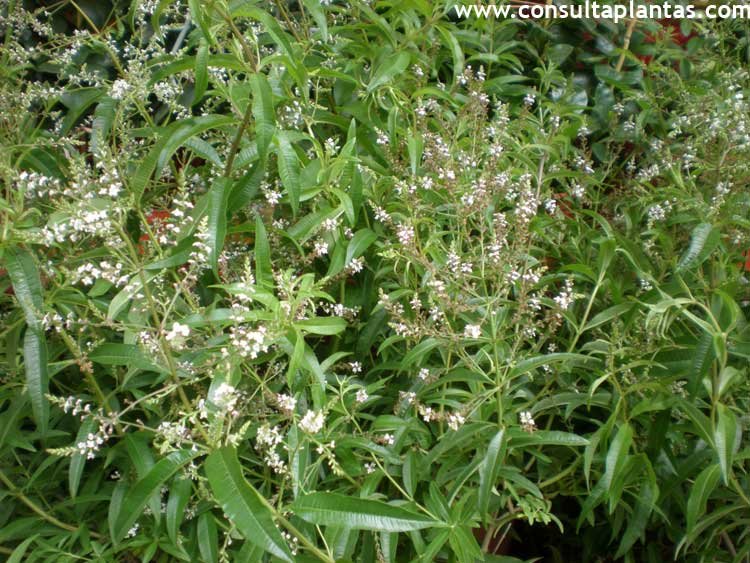 Aloysia citriodora 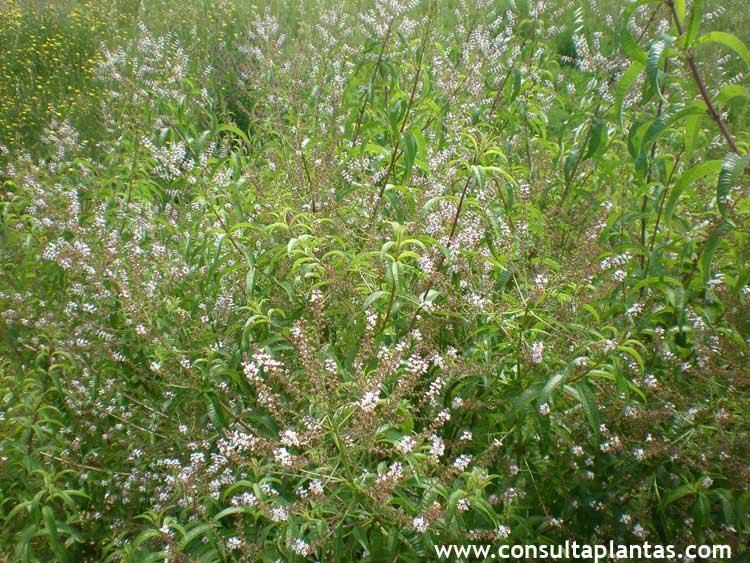 Aloysia citriodora 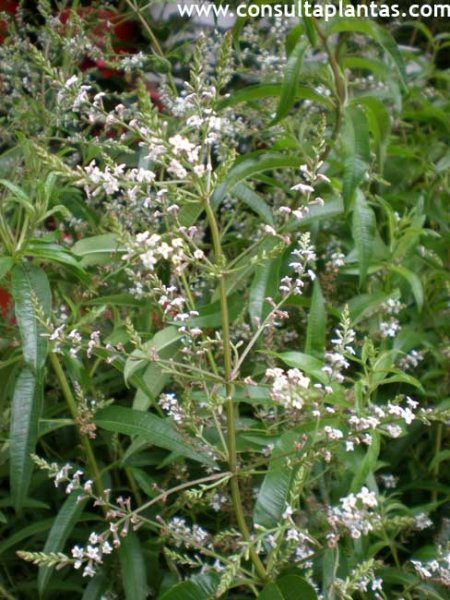 Aloysia citriodora 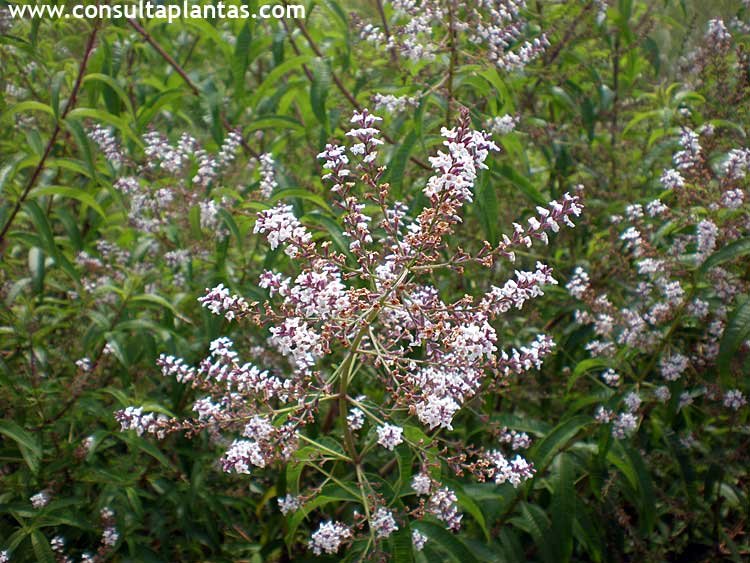 Aloysia citriodora |