

Care of the tree Acacia melanoxylon or Australian blackwood |
|
The Acacia genus, of the Fabaceae family, includes some 1,200 species of shrubs and trees native to Australia, Africa, Asia and South America. Some species are: Acacia melanoxylon, Acacia luederitzii, Acacia longifolia, Acacia karoo, Acacia iteaphylla, Acacia greggii, Acacia dodonaeifolia, Acacia dealbata, Acacia cultriformis, Acacia hebeclada, Acacia tortilis, Acacia truncata, Acacia saligna, Acacia paradoxa, Acacia tetragonophylla, Acacia pendula. Common names: Australian blackwood, Blackwood, Tasmanian blackwood, Blackwood acacia. This is native to Eastern Australia. It is a fast growing evergreen tree that reach 15 meters (49.21 feet) in gardens but in its natural habitat it reachs 45 meters (147,63 feet) height. The leaves emerge on the young branches and then turn into dark green or grayish phyllodes. The abundant flowers are globular and pale yellow in color. It can bloom from late winter to mid spring. The fruits are reddish pods that contain the seeds. Blackwood acacia is used in small groups, as isolated or aligned specimens in public parks and streets. It is recommended not to plant it near buildings as it has aggressive surface roots. Acacia melanoxylon needs full sun exposure and a Mediterranean-type climate. It can withstand some mild frost. Although it can be grown in almost all types of soil it prefers that it contains organic matter and is well drained. Australian blackwood needs regular watering in spring and summer so that the soil does not dry out completely. In winter, watering needs to be greatly reduced. From mid spring to mid summer it is recommended to fertilize with a mineral fertilizer every 30 days. Every 2-3 years the branches can be pruned a little to give them a more compact appearance. Its worst enemy is over-watering, but it can be attacked by spider mites or mealybugs if it suffers from drought. The best way to propagate is from seeds sown in spring. |
Images of the tree Acacia melanoxylon or Australian blackwood |
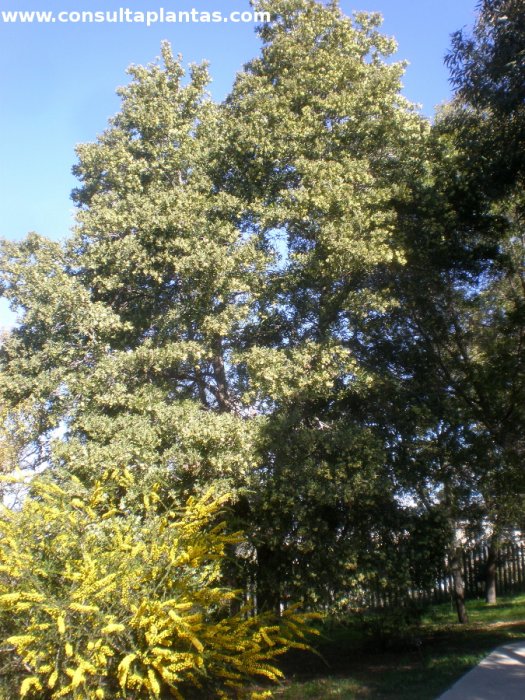 Acacia melanoxylon 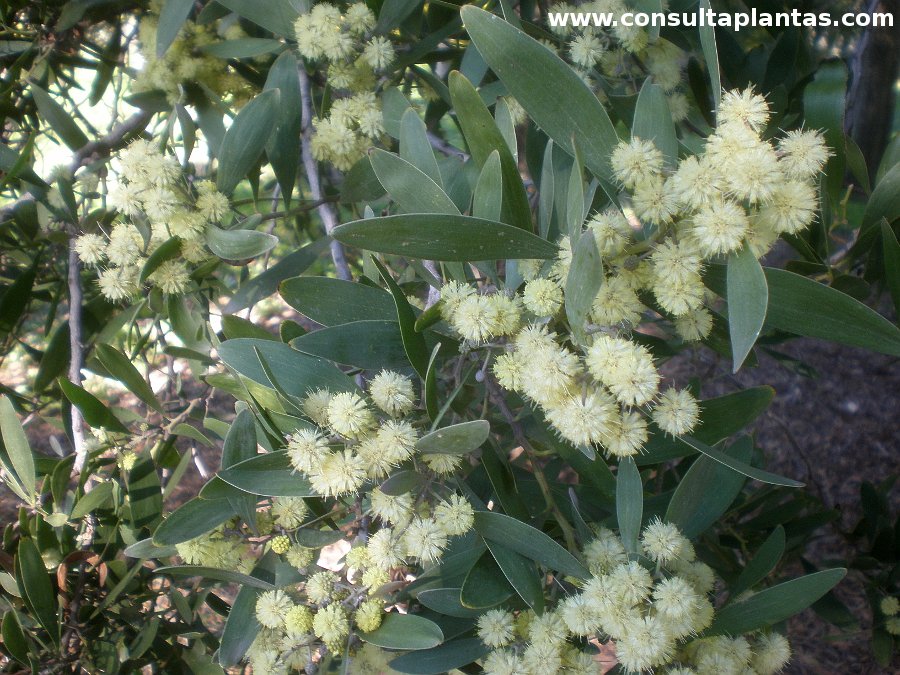 Acacia melanoxylon 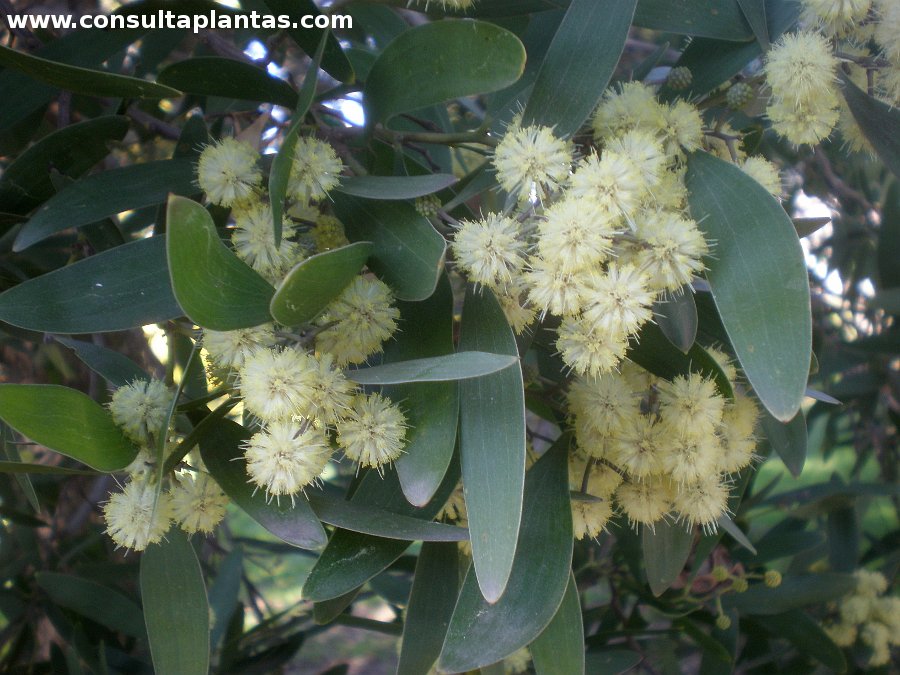 Acacia melanoxylon 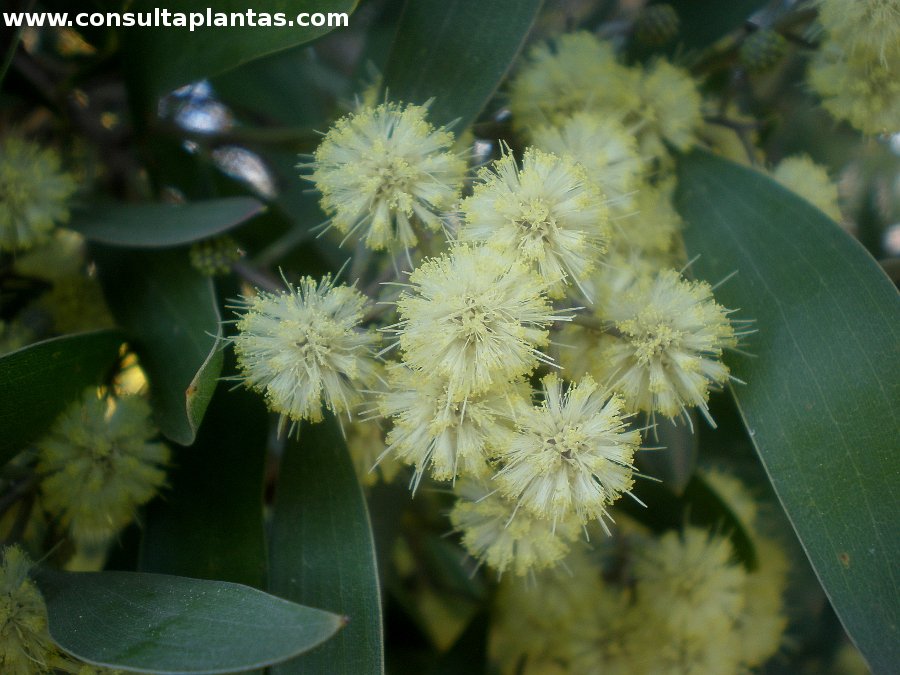 Acacia melanoxylon |